NEW
Higgsfield AI Review 2026 — Creative Suite for AI-Driven Media
Explore Higgsfield AI, a versatile AI-native creative suite for images, videos, voice content, and workflow automation on web and mobile platforms.
Each guide starts with the short answer, then the numbered steps, then what can go wrong. Written for people who have work to finish, not a certificate to earn.
Most prompts fail for the same reason: they name the task and nothing else. This guide sets out the four things a prompt has to state, the order to write them in, how to hand over context without pasting an entire document, and how to tell when the prompt is not the thing that is wrong.
Cancelling is the easy part. Getting your work out first is the part people discover too late, usually on the day the account stops opening. This guide is the order to do it in: what to retrieve, where the answer lives in your own vendor's documentation, what an export usually leaves behind, and why cancelling, deleting and exporting are three different actions that have to happen in the right sequence.
An AI tool will hand you a confident answer whether or not it has any basis for one. That is the whole problem, and it is not solved by asking the tool whether it is sure. This guide is a checking routine in plain English: which parts of an answer are worth checking first, how to tell a verifiable claim from an unverifiable one, what to do with numbers, names and quotations, and where to stop so the checking does not cost more than writing it yourself.
Short answer: for most small teams the best AI meeting note-taker is Fireflies.ai, because every paid plan has unlimited transcription at $10 per seat per month on annual billing, so a busy month never costs extra. Pick Otter.ai instead if you are one person or a team of five who want the transcript live on screen. Pick tl;dv if only a few people record and the rest watch, or if your data must stay in the EU. We compared three pricing pages, fourteen help center articles and three review listings, all checked October 10, 2026; see [how we picked](#how-we-picked) for the rubric.
Short answer: for most people doing ordinary work writing, the best AI writing assistant is Grammarly, because it runs in more places than anything else and its $12-a-month Pro plan on annual billing covers a small team as well as one person. Pick ProWritingAid instead if your writing comes in chapters and you want 25 or more analysis reports, a $399 lifetime licence and a three-day refund. Pick Wordtune if all you want is unlimited sentence rewrites in a browser for $6.99 a month on annual billing. We compared three pricing pages, three homepages, one trust page and three Trustpilot listings, all checked October 10, 2026; see [how we picked](#how-we-picked) for the rubric.
Short answer: for a small team that already writes things down, the best AI presentation tool is Gamma, because its free plan lets everyone test it tonight with no card and its credit prices are published down to the image. If your team sends client-facing decks every week and wants a flat seat price with no meter, Beautiful.ai is the better buy at $14.50 per member per month billed annually, checked October 20, 2026. We graded both from vendor documentation rather than from use, and the one figure we could not read anywhere is a US dollar price for Gamma's individual plans.
Our top pick is [Crisp](/review/crisp/), because a flat $45 a month per workspace with no conversation cap is the only pricing model a small site can forecast with confidence. [Tidio](/review/tidio/) is cheaper to start at $29 a month and bundles ten seats, which wins for a shop that answers its own chats. [Chatbase](/review/chatbase/) is the pick when you want the AI layer alone. This page is for owners of small sites choosing their first support chatbot. Every price was read from each vendor's pricing page HTML on October 25, 2026. We did not run tests of our own. The grades come from pricing pages, plan comparison tables, published FAQs and knowledge bases.
 Fireflies.ai
An unlimited-transcription note-taker priced per seat, with storage rather than minutes as the real limit
AI Meetings & Notes Otter.ai
A live-transcript note-taker with a generous free tier and tight per-plan minute caps
AI Meetings & Notes tl;dv
An EU-hosted meeting recorder where only the people who record pay and everyone else watches free
AI Meetings & Notes Grammarly
A grammar and tone checker that follows you into almost every app, with AI rewrites metered by a monthly prompt count
AI Writing Assistants ProWritingAid
A report-driven editor for long documents, priced by the month, the year or once for life, with a free tier capped at 500 words
AI Writing Assistants Adobe Firefly
A credit-metered generation hub that bundles Adobe and partner models, and says in writing that its own outputs are safe for commercial work
AI Image Tools Ideogram
An image platform built around readable type in the picture, sold in monthly credit blocks, with a free tier that publishes your results to a public gallery
AI Image Tools Wordtune
A sentence rewriter sold by the day on Free, by the year on paid, with the lowest unlimited price in the category
AI Writing Assistants Beautiful.ai
A presentation tool that sells auto-designing Smart Slides and unlimited AI generation on a flat seat price, with brand controls aimed at teams
AI Presentation ToolsUpdates: what changed in the tools, and which guides we re-checked.
Short notes when a vendor moves a menu, changes a limit or retires a feature.
Updates
Every piece carries its sources and the date it was last checked.
Explore Higgsfield AI, a versatile AI-native creative suite for images, videos, voice content, and workflow automation on web and mobile pla…
Article · November 10, 2026Explore ProLon's 5-day Fasting Mimicking Diet designed to support cellular health and weight management, suitable for those seeking a struct…
Article · November 11, 2026Explore Longevitybox, UK-made clinically dosed supplements designed to support energy, cognition, and long-term healthspan with purity guara…
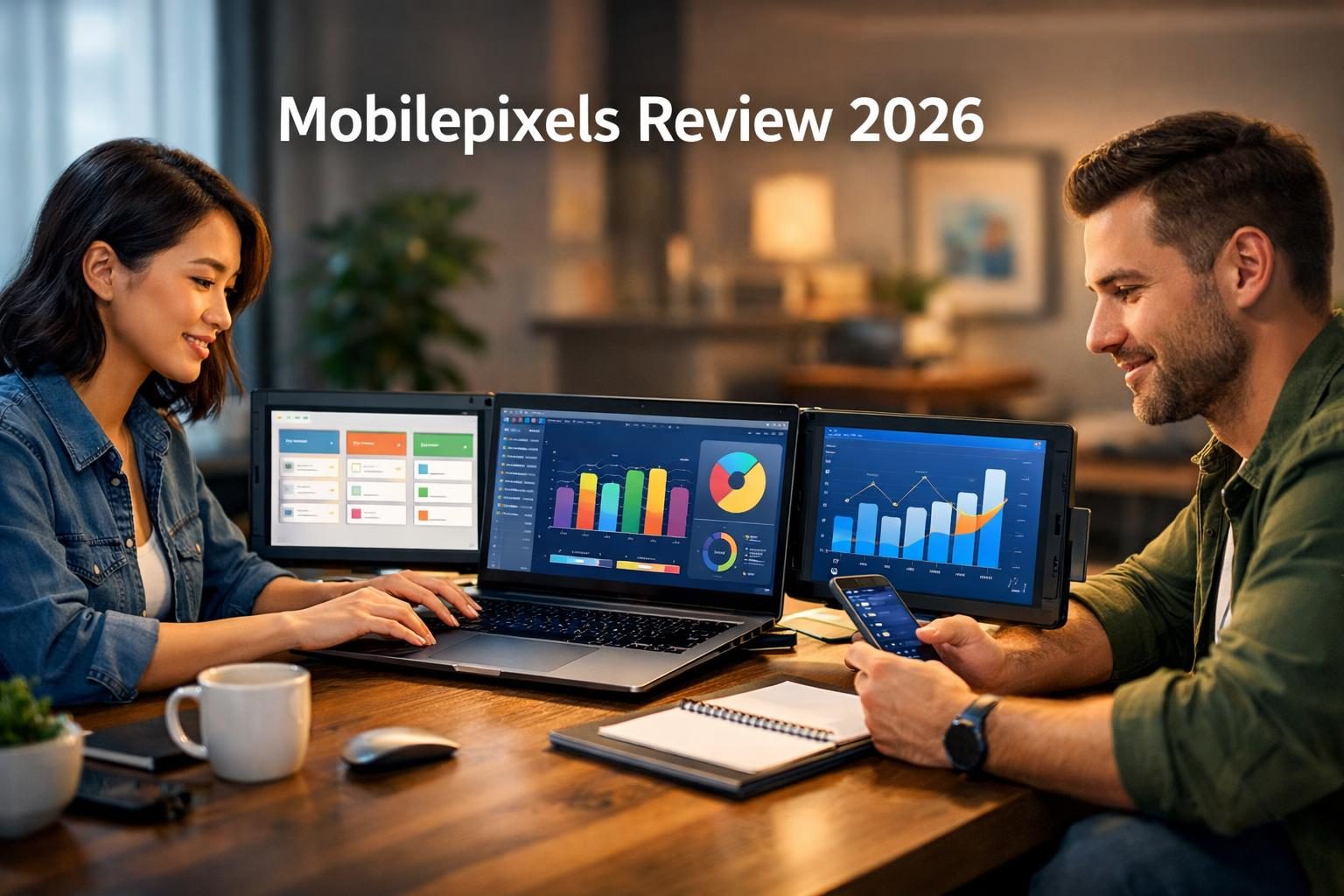
Article · November 10, 2026Explore MobilePixels' portable dual screen extenders for laptops, featuring the DUEX and TRIO series designed to enhance productivity on the…
Article · November 10, 2026Explore ProLon's 5-day Fasting Mimicking Diet designed to support cellular health and weight management, suitable for those seeking a struct…
AI Transcription · November 6, 2026Rev is the only well-known transcription service that prints an automatic rate and a human rate on the same page, and it is the human rate t…
We would rather show you the rules than a row of logos.
A small team, AI for the legwork, humans for the judgement.
AI in Plain is built by a small independent team that uses AI tools every day. AI helps us read documentation, pricing histories and thousands of user reports faster than we could alone. It does not decide what we publish. Every verdict, score and recommendation is reviewed by a person who is accountable for it, and every claim must trace back to a source you can open.
We think that is the honest way to use AI in publishing: say so, keep humans responsible, and never let a model invent a test we did not run. Our full editorial policy, including what we will never do, is on the method page.
These are the questions this site exists to answer. Each one links to where the answer lives, or will live, as pieces publish.
Against the official documentation and the vendor help centre, step by step, in the order the vendor publishes them. Each guide shows its last-checked date.
No. Every guide opens with the short answer in plain English, then numbered steps.
Yes. Email us the task you are stuck on.
Some links are affiliate links; if you buy through one the vendor pays us a commission at no cost to you. It never changes what we cover or how we rate it. Full disclosure.
Yes: hello@aiinplain.com. Corrections with a source are answered first.
Comments are from real readers and are published after a quick check for spam. We do not write, buy or seed comments.
Be the first. Tell us what you want covered, or where we got something wrong.
No spam, no daily blast. Unsubscribe in one click.

AI in Plain is published by AI In Plain LLC, an independent company. AI In Plain is a handbook. Every page answers one practical question, states the short answer in the first paragraph, and then walks through the steps in order.
About us · Editorial policy · Affiliate disclosure · Privacy · Contact